Posts

The Three Gunas, the Three Shaktis, and Murugan’s Grace of Knowledge

The Three Divine Powers and the Three Attributes of Nature Indian spiritual thought often explains the universe through subtle philosophical ideas. Among these are the three divine powers known as iccha, jnana and kriya shakti — the powers of will, knowledge and action through which consciousness expresses itself. When the same movement of creation enters the field of nature, it appears as the three gunas — sattva, rajas and tamas. These are the forces that shape the mind, the senses, and the countless forms of life in the world. Yet these truths are not preserved only in philosophical texts. The spiritual imagination of the tradition has expressed them through stories, symbols and devotional worship. Nowhere is this more beautifully illustrated than in the tradition surrounding Murugan. The Three Powers of Consciousness In Saiva thought, the Supreme Reality is not a passive principle. Consciousness is inseparable from its power — Shakti. When the Absolute expresses itself throu...

முக்குணங்களும் முருகனின் ஞான அருளும்

சுத்த தத்துவங்களும் பிரகிருதி தத்துவங்களும் இந்திய ஆன்மீக சிந்தனை உலகத்தின் தோற்றத்தையும் அதன் விரிவையும் விளக்கும்போது பல நுண்ணிய தத்துவக் கருத்துகளை முன்வைக்கிறது. அவற்றில் முக்கியமானவை இச்சா, ஞான, கிரியா சக்திகள் — சைவ மரபில் கூறப்படும் சுத்த தத்துவங்களின் தளத்தில் படைப்பு வெளிப்படுவதற்கான மூன்று தெய்வீக சக்திகள். அதே படைப்பு இயக்கம் பிரகிருதி தத்துவங்களின் தளத்தில் சத்த்வம், ரஜஸ், தமஸ் என்ற முக்குணங்களின் வழியாக இயங்குகிறது. மனம், வாழ்க்கை, உலகம் ஆகிய அனைத்தையும் அமைக்கும் அடிப்படை இயங்கியல் இதுவே. ஆனால் இத்தகைய உண்மைகள் தத்துவ நூல்களில் மட்டும் மறைந்து கிடப்பதில்லை. பாரம்பரிய ஆன்மீக கற்பனையில் அவை கதைகள், குறியீடுகள், வழிபாடு ஆகிய வடிவங்களில் வாழ்ந்து வருகின்றன. இந்த உண்மையை மிகவும் அழகாக வெளிப்படுத்துவது முருகப் பாரம்பரியம். அறிவின் மூன்று சக்திகள் சைவ மரபில் பரம்பொருள் ஒரு மௌனமான நிலையல்ல. அறிவும் அதன் இயங்கும் ஆற்றலும் பிரிக்க முடியாதவை; அந்த ஆற்றலே ‘சக்தி’ எனப்படுகிறது. பரம்பொருள் சக்தியாக வெளிப்படும் போது மூன்று அடிப்படை இயக்கங்கள் எழுகின்றன : இச்சா சக்தி — விருப்பத்தின...

When Sound Becomes Offering — Nada Yoga in Thiruppugazh

Thiruppugazh — The Path of Sound Thiruppugazh cannot be approached merely as literature. It may be enjoyed as poetry, sung as music, experienced as an intense expression of devotion to Murugan. Yet those who sing it steadily, with inward attention, begin to notice something else. The song slowly turns inward. The rhythm of breath changes. Thoughts loosen. The sense of time softens. The word that is uttered outwardly becomes an inner vibration. It is here that Nada Yoga begins. In the hymn that opens with “Nada Vindu Kaladi Namo Nama,” we encounter three terms — Nada, Vindu, and Kala — spoken of in the tradition as the causal principles of creation. नादो बिन्दुः कलाश्चैव सृष्टेः कारणमुच्यते। “Nado binduh kalash chaiva srishtheh karanam uchyate.” Yet Arunagirinathar does not explain them. He worships. He bows to the One who is both the source of Nada, Vindu, and Kala — and also the one beyond them. Nada is not a musical sound; it is the primordial vibration from which ma...

நாதம் அர்ப்பணமாகும் போது — அருணகிரிநாதரின் திருப்புகழில் நாத யோகம்

திருப்புகழ் — நாதத்தின் வழி திருப்புகழை வெறும் இலக்கியமாக மட்டும் அணுக முடியாது. அதை கவிதையாக ரசிக்கலாம்; இசையாகப் பாடலாம்; முருகப் பக்தியின் உச்ச வெளிப்பாடாக அனுபவிக்கலாம். ஆனால் அதை முழு மனதுடன் தொடர்ந்து பாடுபவர்கள் ஒரு கட்டத்தில் வேறொரு அனுபவத்தை உணரத் தொடங்குகிறார்கள். பாடல் மெதுவாக உள்ளே நகர்கிறது. மூச்சின் ஓட்டம் மாறுகிறது. எண்ணங்கள் தளர்கின்றன. கால உணர்வு மங்குகிறது. வெளியில் உச்சரிக்கப்படும் சொல், உள்ளத்தில் இயங்கும் அதிர்வாக மாறுகிறது. அங்கேதான் நாத யோகம் தொடங்குகிறது. “நாத விந்து கலாதி நமோ நம” என்று தொடங்கும் திருப்புகழ். நாதம், விந்து, கலை — படைப்பின் காரண நிலைகள். नादो बिन्दुः कलाश्चैव सृष्टेः कारणमुच्यते।

From Shiva to Jiva – Part 5

Image
Panchikarana and the Formation of the Gross Universe In the previous parts we saw how creation unfolds from the Maya Shakti of Brahman. From Maya arise the five subtle elements — space, air, fire, water, and earth. These are known as the tanmatras, the subtle potentials of sound, touch, form, taste, and smell. From the sattvic aspects of these elements arise the organs of knowledge and the inner instrument — the mind, intellect, ego, and memory. From their rajasic aspects arise the organs of action and the vital forces known as the five pranas. Thus the subtle world and the subtle body (Sukshma Sharira) are formed. But the universe we experience is not subtle. It is tangible and perceptible. The mountains, rivers, plants, and physical bodies belong to the gross world (Sthula Jagat). For this to arise, the subtle elements must undergo another transformation. This transformation is called Panchikarana. Panchikarana – The Grossification of the Elements The word Panchikarana li...

From Shiva to Jiva: Part 4

From Prakriti to the Five Elements In the earlier parts we saw how the limitless Consciousness, referred to as Shiva, appears as the individual experiencer through the limiting power of Maya. Through Maya arise various tattvas that introduce limitation, individuality, and the sense of “I”. In this way the jiva — the individual soul — emerges. But the jiva cannot experience by itself. Experience requires three things: a body through which experience occurs senses and mind through which perception happens a world that can be experienced For this reason the process of manifestation continues further. From the field of Maya emerges Prakriti, the primordial matrix from which the material universe unfolds. Prakriti and the Three Gunas Prakriti is not yet the physical world. It is a subtle state of nature in which three fundamental forces remain in equilibrium. These three forces are known as the three gunas: Sattva – the principle of clarity, illumination, and harmon...

From Shiva to Jiva : Part 3

In the earlier part , we saw how the still, boundless awareness of Śiva expressed Itself through Śakti and gave rise to the pure, luminous principles known as the Śuddha Tattvas. In that realm there was no separation between the knower, knowledge, and the known — only the steady radiance of pure consciousness. But as this radiance flows outward, a subtle veil appears. Awareness begins to perceive difference. The limitless Self takes on the sense of individuality, and creation enters a mixed region — neither entirely pure nor yet material. This is the domain of the Śuddhāśuddha Tattvas, also called the Vidyā Tattvas. It forms the bridge between spirit and matter, where consciousness still shines, though partly covered.

From Shiva to Jiva : Part 2

The First Steps of Manifestation In the previous part , we saw how Śiva, the Supreme Consciousness, alone is real, eternal, and self-luminous. Everything else — the cosmos, mind, and body — is a manifestation of this infinite awareness. But the question remains: how does the One, still and undivided, appear as many? How does consciousness begin to unfold into the world of forms, time, and space? In Śaiva Siddhānta, this unfolding is explained through the tattvas — the fundamental principles or building blocks of existence. The first set of tattvas are the pure tattvas, also called śuddha tattvas, which reveal the earliest stages of manifestation. They arise from Parāśiva, the absolute and unmanifest consciousness, through the power of Parāśakti, the dynamic energy of Śiva. Parāśiva and Parāśakti: The Absolute and Its Power Parāśiva is the ultimate reality, beyond name, form, and thought. It is pure, infinite, and unchanging. Parāśakti is the divine power of Śiva. It is not separa...

Nāda, Bindu, and Kalā — The Hidden Geometry of Creation

நாத விந்து கலாதி நமோ நம” (Nada Vindu Kalaathi Namonama) “Salutations again and again to the One who is the source and the One beyond Nada (primordial sound), Vindu (luminous seed or creative point), and Kala (the principles governing creation and experience).” In this brief yet profound line from the Tiruppugazh, Saint Arunagirināthar compresses the entire mystery of creation. What the modern scientist calls Matter, Energy, Space, and Time, the mystic perceives as Nāda, Bindu, and Kalā — the three subtle roots from which the universe flowers into being. Word-by-word Meaning Nada (நாத) — primordial vibration or divine sound. Vindu / Bindu (விந்து) — the luminous seed, the point from which form arises. Kalaathi (கலாதி) — beyond or prior to Kala and related principles (the powers that structure experience and creation). Namonama (நமோ நம) — repeated salutation; “I bow again and again.” Science and spirituality speak two languages, but they describe the same cosmic pulse: the un...

நாத விந்து கலாதீ நமோநம

"நாத விந்து கலாதீ நமோநம". திருப்புகழின் இவ்வரிகளில் படைப்பின் ரகசியமே அடங்கி இருக்கிறது. அது எப்படி என்று விரிவாக காணலாம். நவீன அறிவியல்  “Matter – Energy – Space – Time” ஆகிய நான்கு கூறுகளே பிரபஞ்சத்தின் அடிப்படை (fundamental) அம்சங்கள் எனக் கூறுகிறது. அதேபோல், சைவ – சாக்த மரபின் ஆன்மிகக் கோட்பாட்டில் நாதம் (Nāda), பிந்து/விந்து (Bindu), மற்றும் கலா (Kalā) ஆகிய மூன்றும் படைப்பின் முதன்மை அடித்தளங்களாகக் கருதப்படுகின்றன. நாதம்: மூல ஒலி அதிர்வு  நாதம் என்பது சப்த தத்துவம். நிலைத்த மௌனத்தின்  முதல் அசைவு நாதம். அனாஹத நாதம் எனப்படும் இந்த நாதம் முதன்மையான ஒலியின் அதிர்வு (primordial sound vibration). அனாஹத நாதம் என்பது தட்டாமலோ, அடிக்காமலோ இயற்கையாக ஏற்படும் ஒலியைக் குறிக்கிறது.  அனாஹதம் என்பது உணர்வு (Consciousness) என்பதின் இயக்கம் (dynamic aspect); மற்றும் அறிவையும் உணர்வையும் இணைக்கும் மையம் ஆகும். எளிதாகச் சொன்னால், நாதம் என்பது அசைவற்ற சைவத்தின் (stillness of Śiva) உட்பகுதியில் தோன்றும் அசைவு; மௌனத்திலிருந்து எழும் உயிரின் முதல் மூச்சு போன்றது.  நாதம் த...

From Shiva to Jiva: Introduction

Image
The Descent of Consciousness Saiva Siddhanta begins with a bold premise: Consciousness (Brahman) alone is real — eternal, unchanging, and self-luminous. Everything else — the cosmos, time, space, body, and mind — is but its appearance or manifestation. In this vision, the universe is not a creation outside Consciousness, nor a product of matter or chance. It is the līlā or self-expression of that same infinite awareness — just as countless waves arise and dissolve upon the surface of the ocean, without ever leaving the ocean itself. But how does the One become many? How does the stillness of Shiva seem to transform into the movement and multiplicity of creation — into Jiva, the individual soul? This series, From Shiva to Jiva, traces that profound journey: from the Absolute (Para Brahman) to the manifest world, from pure awareness to embodied experience. It reveals the timeless process by which the unmanifest becomes the visible universe we inhabit.

Symbolism of Murugan Worship

உருவாய் அருவாய், உளதாய் இலதாய் மருவாய் மலராய், மணியாய் ஒளியாய்க் கருவாய் உயிராய்க், கதியாய் விதியாய்க் குருவாய் வருவாய், அருள்வாய் குகனே. uruvAi aruvAi uLadhAi iladhAi maruvAi malarAi maNiyAi oLiyAy karuvAi uyirAik gadhiyAi vidhiyAi guruvAi varuvAi aruLvAi guganE! You are the Supreme Being, who has form, and who has no form! You are an existent being, and You are also an invisible being! You are the fragrance, and You are also the flower having the fragrance! You are the precious gem, and You are also its lustre! You are the cosmic embryo, and You are also the life that moves the embryo! jYou are the ultimate refuge and You lead the path of the destiny of jeevatmas towards salvation. May You be gracious enough to appear before me as the Preceptor, and bestow on me Your grace! Brahman is the Absolute Reality, the source of all things into which all things will eventually go back. It is a pure, blissful consciousness that is infinite, eternal, and unchanging. Advaita...

மன்மதன் தத்துவம்

மன்மதன் என்றால் என்ன? ‘மன்மதன்’ என்றால் ‘மனதை கடைபவன்’ என்று அர்த்தம். ‘மதனம்’ என்றால் கடைவது. காதல் வயப்பட்ட ஒருவரின் மனதை மதனம் பண்ணுவதால் மன்மதனுக்கு இந்த காரண பெயர். திருமாலின் மனத்தில் இருந்து உண்டான மன்மதன், திருமாலின் நாபிக் கமலத்தில் இருந்து எழுந்த பிரம்மாவுக்கு தம்பிமுறை. மன்மதனுடைய புஷ்ப பாணங்கள் தாமரை, மல்லிகை, கருங்குவளை (நீலோத்பலம்), மாம்பூ, அசோக புஷ்பம் ஆகியவை தான்; நாணோ புஷ்பங்களில் ரீங்காரமிடும் வண்டுகள்; அவனுடைய தென்றல் தேரை இழுப்பது கிளி! மலர் அம்புகளை செலுத்தும் வில்லாகிய மனம் பஞ்சேந்திரியங்களால் ஆளப்படும் சமஸ்த ஜீவப் பிரபஞ்சத்தை காமத்தில் கட்டிப் போடுகிறது. அது எப்படி? ஐந்து பாணங்கள் ஐம்புலனைக் குறிப்பன. பஞ்ச இந்த்ரியங்களால் அநுபவிக்கப்படும் ஐந்து ஸூக்ஷ்ம பூதங்களான சப்தம், ஸ்பர்சம், ரூபம், ரஸம், கந்தம் என்கிறவை தன்மாத்ரை எனப்படும். லலிதா சஹஸ்ரநாமத்தில் பஞ்ச தன்மாத்ர சாயகம் என்று இவை குறிப்பிடப்படுகின்றன. ரூபம், ரஸம், கந்தம், ஸ்பரிசம் ஆகிய நான்கால் நம்முடைய நான்கு இந்திரியங்களை ஆகர்ஷிப்பது புஷ்பம். அதன் அழகு கண்ணுக்கும், அதில் சுரக்கிற தேனின் ரஸம் நாக்...

பாற்கடல் கடைதல் - தத்துவ விளக்கம்

ஆடக மந்தர நீர்க்கு அசையாமல் உரம் பெற நாட்டி : பொன் மயமான மந்தர மலையை பாற்கடல் நீரில் அசையாதபடி வலிமையுடன் மத்தாகப் பொருத்தி வைத்து, ஒரு ஆயிரம் வெம் பகுவாய்ப் பணி கயிறாக : ஒப்பற்ற ஆயிரக் கணக்கான வெப்பம் மிகுந்த பிளவான நாக்குகளை உடைய பாம்பாகிய வாசுகியை (மத்தின்) கயிறாகச் சுற்றி, ஆழி கடைந்து அமுது ஆக்கி : பாற்கடலைக் கடைந்து அமுதத்தை வரவழைத்து, அநேகர் பெரும் பசி தீர்த்து அருள் ஆயன் : இந்திராதி தேவர்களுடைய மிகுந்த பசியை நீக்கி (மோகினியாக) அருள்புரிந்தவனும், ஆயர் குலத்தில் அவதரித்தவனுமான திருமால் (திருப்புகழ் பாடல் 420. வேடர் செழுந்தினை ) பாற்கடல் கடைந்த கதை ஒரு காலத்தில் இந்திரன் துர்வாச முனிவர் அளித்த மலர் மாலையை அலட்சியமாக தன்னுடைய யானைக்கு அணிவித்தான். யானை அதை தன் தும்பிக்கையால் பிய்த்து எறிந்ததை பார்த்த முனிவர் கடுங்கோபம் கொண்டு தேவர்களின் வலிமையும் அதிர்ஷ்டமும் மறைந்து போகும்படி சாபம் அளித்தார். அந்த சாபத்தின் மூலம் தேவர்கள் மிகவும் வலிமை குறைந்தவர்கள் ஆகி விட்டனர். எல்லா அண்ட சராசரமும் அசுரர்கள் ஆட்சிக்கு கீழ் வந்தது.

Jambukeswarar Temple At Thiruvanaikaval

Image
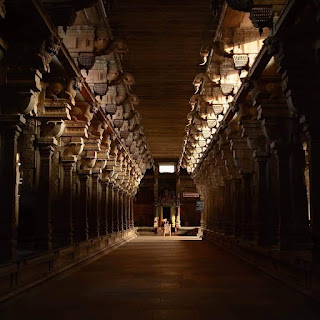
Jambukeswarar Temple at Thiruvanaikaval, a Suburb of Tiruchrirapalli, is on the northern bank of the river Kaveri at the Srirangam river island, being surrounded by the Kaveri and the Kollidam river, which splits itself here from the Kaveri. It was built by an early Chola King called Kochengat Cholan. According to the legend, Lord Shiva sent Goddess Parvati to perform ‘tapasya’ at the Jambu forest of Thiruvanaikaval, as He was offended by her mocking light heartedly his austerity. Parvati built a Shivalinga under the ‘venn naaval’ (white Jambu fruit) tree, with the water from River Ponni. After years of tapasya, Shiva appeared before Akilandeswari and gave her Shiva gnana (knowledge). Shiva stood facing west and gave Upadesa to Akilandeswari who stood facing east. Another legend says that two Shiva gana s, Malyavan and Pushpadanta, always fought with each other. Once, both of them cursed each other out of rage, as a result of which both descended onto earth, Malyavan as a spi...

உயிர்கள் அனுபவிக்கும் ஐந்து உணர்வு நிலைகள்

காரிய அவத்தைகளும் காரண அவத்தைகளும் அவத்தை / அவஸ்தை என்பது உணர்வு நிலை. அநாதியாகவே ஆணவ மலத்துடன் கூடியிருத்தலால் தானே சுயமாக அறிய முடியாத ஆன்மா உடலில் கருவி கரணங்களுடன் கூடி ஐந்து உணர்வு நிலைகளில் நின்று அறிகின்றது; செயலாற்றுகின்றது. உயிர் அடையும் ஐந்து நிலை வேறுபாடுகள் காரிய அவத்தைகள் எனப்படும்.

மும்மலங்கள்

மும்மலங்கள் என்றால் என்ன? சைவ சித்தாந்தத்தின்படி இறைவனைச் சென்றடைவதே உயிர்களின் நோக்கம். ஆயினும் உயிர்கள் இறைவனைச் சேரவிடாமல் அவற்றின் அறிவை அறிவற்ற சடப்பொருள்களான ஆணவம், கன்மம், மாயை என்ற மும்மலங்கள் மறைத்துக் கொண்டிருக்கின்றன. இதனால் ஏற்படுகின்ற அறியாமையே உயிர்களின் துன்பங்களுக்குக் காரணம் என்பது சைவ சித்தாந்தக் கருத்து. உயிர்களை மலங்களின் பிணைப்பிலிருந்து விடுவித்துத் தன்னுடன் சேர்த்துக்கொள்ள இறைவனின் அருள் வேண்டும்.

சைவ சித்தாந்தம் பகுதி 3 : பதியின் இயல்பு

Image
இறைவனின் இயல்பு என்றும் எக்காலத்தும் விளங்கிக் கொண்டும், நிலையானதாகவும், எல்லா அண்டங்களையும் பொருள்களையும் உயிர்களையும் படைத்து தன் அருளால் இயக்கிக் கொண்டும் இருப்பவர் இறைவன். அந்த ஒப்பற்ற உயர்ந்த இறைவனை சொல்லாலும் பொருளாலும் மனித அறிவாலும் கருவிகளாலும் அளக்கவோ கணக்கிடவோ முடியாது. அந்த பரம்பொருள் எல்லா ஆன்மாக்களிலும் உள் ஒளியாக இயங்கிக் கொண்டுள்ளது. சிருஷ்டி முழுவதிலும் ஊடுருவி நின்றும், அதே நேரம் அனைத்துக்கும் அப்பால் காலமற்று நிற்கும் பிரக்ஞையாக செயல் படுகிறது. சைவ சித்தாந்தம் எவ்வித மாற்றமும் அடையாமல், என்றும் ஒரு தன்மை உடையதாய் நிற்கும் பொருளான சத்தாய் நிற்பதையே இறைவனின் உண்மை இயல்பு என்று கூறுகிறது. அறிவுடைப் பொருள் 'சித்து' என்றும், அறிவில்லா பொருள் 'அசித்து' என்றும் சொல்லப் பெறும். உலகம் தோன்றுவதற்குக் காரணம் மாறாத இருப்புடன், தோற்றமும் மறைவும் அற்ற அனந்தமாக, ஆகாசம் போல் சர்வ வியாபகமாக, எங்கும் நீக்கமற நிறைந்து இருப்பது ஸத்/சத்து தான்.

சைவ சித்தாந்தம் பகுதி 2 : முப்பொருள் இயல்பு

அனாதி முப்பொருள் உலகில் உள்ள அனைத்துப் பொருள்களும் அழியும். அழியக் கூடிய அனைத்தும் பொய். அழியாதது பரம்பொருள் ஒன்றே. அதுவே மெய். அது தோன்றுதல், அழிதல், வளர்தல், தேய்தல் முதலிய மாற்றங்களுக்கு உட்படாது. சைவ சித்தாந்தம் நிலையில்லா உலகில் அனாதியான அடிப்படை பொருளாக, அழியாப் முப்பொருள்களாக பதி, பசு, பாசம் விளங்குகின்றன என்று கருதுகிறது. இந்த முப்பொருள்களுள் ஒன்றை மற்றொன்றின் காரியம் என்று இல்லாமல் மூன்றும் தனித் தனிப் பொருள்களே என்று சைவ சித்தாந்தம் உரைக்கிறது. மாறுபட்ட மூன்று தன்மைகளால் வேறுவேறாகத் தோன்றும் முப்பொருள்களும் தொடக்கம் இல்லாதவைை; தோன்றாமல், அழியாமல், எப்போதும் இருக்கின்றன. இதற்கு மூலக்ககூறாக இருப்பது சற்காரிய வாதம் .

திருவிளையாடல் புராணம்

திருவிளையாடல் புராணம் என்பது சிவபெருமான் பாண்டியர்களின் தலைநகரான கூடல்மாநகராம் மதுரையில் நிகழ்த்திய 64 அற்புத லீலைகளைப் பற்றிக் கூறும் நூலாகும். இறைவனார் உலக உயிரிகளிடத்து அன்பு கொண்டு அவர்களுக்கு அருள் செய்த கருணையை இந்நூலில் வரும் கதைகள் அழகாக விவரிக்கின்றன. இது வியாசர் இயற்றிய ஸ்கந்த புராணத்தில் உள்ள ஹாலாஸ்ய மகாத்மியம் என்னும் வடமொழி நூலிலிருந்து பரஞ்சோதி முனிவரால் தமிழில் மொழி பெயர்க்கப்பட்ட ஒன்று. திருவிளையாடல் புராணம் மதுரைக்காண்டம், கூடற்காண்டம், திருவாலவாய் காண்டம் என்று மூன்று காண்டங்களாக பிரிக்கப்பட்டுள்ளது. கி.பி.16-ம் நூற்றாண்டின் முற்பகுதியில் மதுரை மாநகரை ஆண்ட வீரசேகர சோழன் என்பவர் பரஞ்சோதி முனிவர் எழுதிய திருவிளையாடல் புராணத்தை மதுரையில் அரங்கேற்றினார்.